Connect the tool to the finished component.
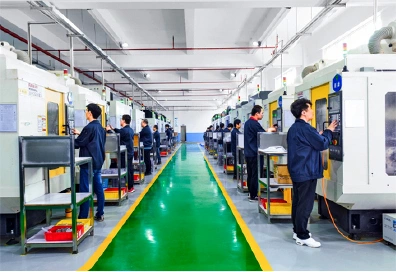
Aluminum and magnesium die-cast mold manufacturing is one of Lianwei’s core business areas. The production inventory includes Lijin and Yizumi die-casting machines, together with EDM, machining and mold assembly resources. Tooling feasibility is evaluated against the proposed part, alloy and production requirements.
Tooling feasibility
Part geometry, alloy, expected quantity and functional surfaces establish the starting point. Send the intended production requirements so the tooling scope can be assessed.
Tool manufacture and assembly
Machining, EDM and mold assembly resources support the tooling workflow. The quotation defines the tool deliverables and any trial or approval requirements.
Secondary machining
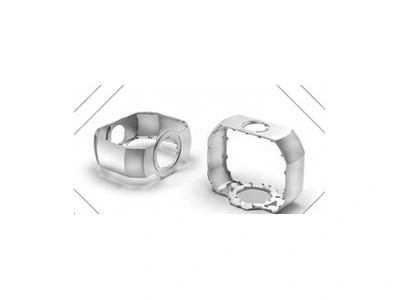
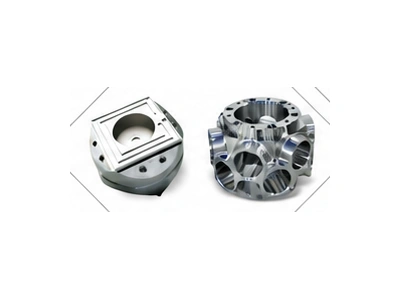
Critical interfaces may require machining after casting. Discuss the final drawing early so casting and subsequent machining allowances are considered together.
Capability at a glance
- Tooling focus
- Aluminum and magnesium die-cast molds
- Die-casting resources
- Lijin: 2 sets; Yizumi: 2 sets
- EDM resources
- TAICHUN MF-4535: 4 sets
- Supporting departments
- Milling, grinding and mold assembly
- Project-specific confirmation
- Press suitability, tool envelope, alloy, tool life and production scope
Frequently asked questions
Can a CNC prototype become a die-cast production part?
It can be a starting point, but a casting route may require design changes. Tooling feasibility and the final machined requirements need a separate review.
Is die casting always faster for a new project?
Tool manufacture and approval add time before production. We evaluate the intended volume and schedule instead of assuming a tooling route is always preferable.